Do you want to create the perfect patio for your home? There are a few important factors to consider. The art of patio installation combines aesthetics with functionality, transforming outdoor spaces into inviting areas for relaxation and entertainment. Let's take a moment to explore the key elements that contribute to a successful patio installation, ensuring longevity and satisfaction.
Selecting the Right Materials
Choosing Between Natural and Man-Made Options
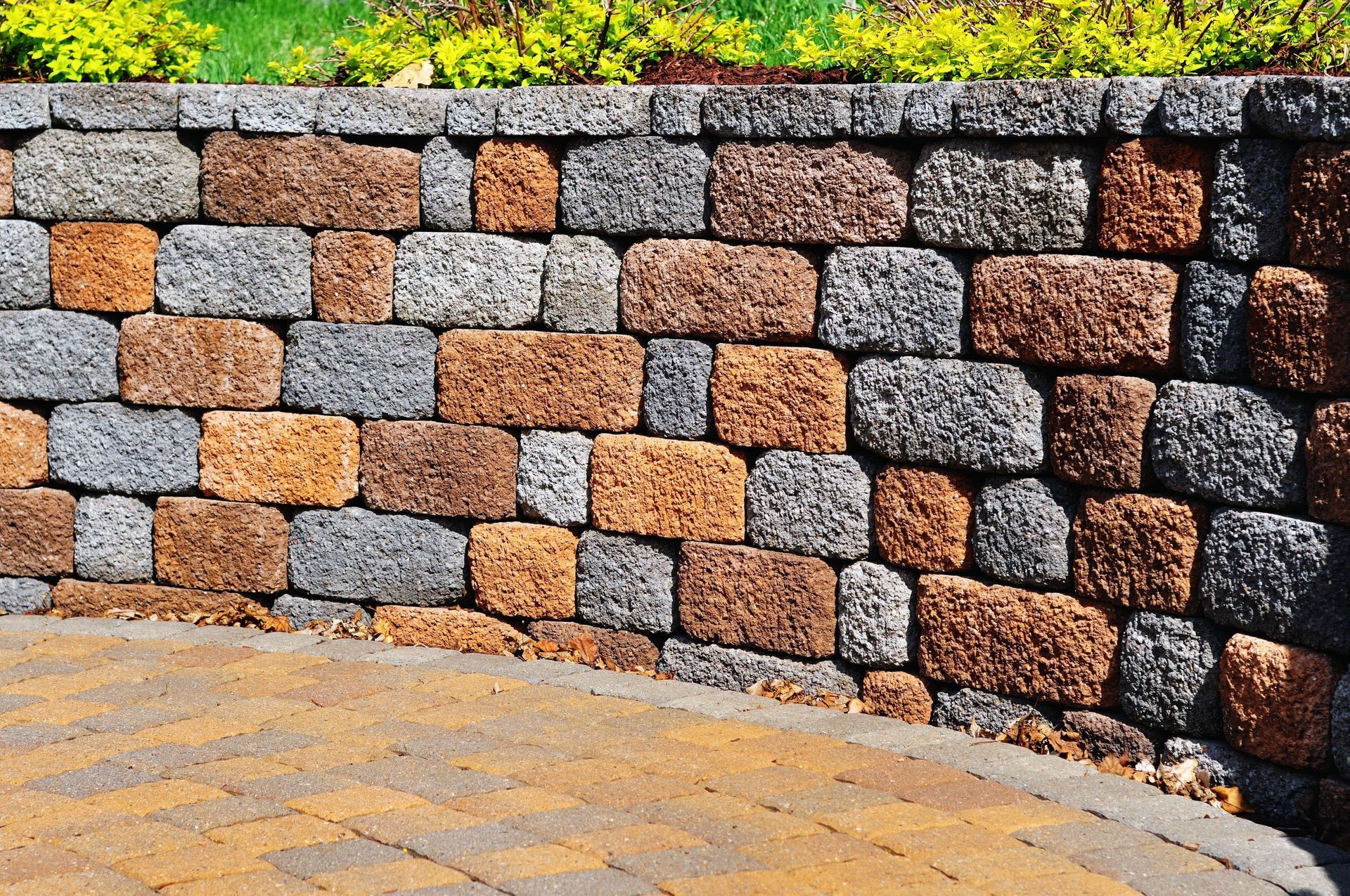
When selecting materials for a patio, homeowners face a choice between natural and man-made options. Natural materials, such as stone and wood, offer a timeless appeal and unique character. Stone such as limestone or slate is favored for its natural beauty and durability, though it may require more upkeep. On the other hand, man-made options, such as concrete pavers, can provide a diverse range of colors and shapes, making customization easier.
Durability and Weather Resistance Considerations
Durability is a paramount consideration for any patio installation, ensuring that it can withstand the elements and maintain its beauty over time. Factors such as local climate, exposure to elements, and frequency of use play a key role in material selection. Natural stones like granite are known for their resilience, making them ideal for areas with harsh weather conditions. Similarly, interlocking concrete pavers provide excellent resistance to weather changes and require minimal maintenance.
Balancing Aesthetics With Maintenance Demands
Aesthetic appeal is a primary factor in material selection, but it must be balanced with maintenance demands. While natural stone offers a unique and visually stunning look, it may require more intensive care, such as sealing to prevent stain absorption. Homeowners must be prepared for routine cleaning, especially for materials prone to staining or showing dirt. Granite and travertine offer elegance with a relatively manageable upkeep requirement, striking a good balance between beauty and maintenance. Conversely, options like stamped concrete or even composite decking provide consistent looks with minimized upkeep.
Cost Implications of Material Choices
Cost is a significant factor when considering materials for a patio installation project. Natural stone options like marble or granite can command higher prices due to their premium quality and luxurious aesthetics. The initial investment may be substantial, but these materials offer longevity and value addition to the property. People with tighter budgets might opt for stamped concrete or brick, which offer aesthetic flexibility at a lower price point. Each material carries its own cost-benefit profile, shaping decisions based on budget constraints and aesthetic goals.
Patio installation costs are also a critical part of the material equation. While natural stone requires skilled labor and precise installation techniques, costing more upfront, options like concrete pavers can be installed more quickly and affordably. Considering that an average 200-square-foot patio can take two to four days to install, according to HomeGuide, labor alone significantly contributes to overall expenditures. It's essential to balance the immediate financial outlay with potential long-term savings or increased home equity. Making informed, strategic choices can yield financial advantages and achieve desired design outcomes.
Planning and Design Principles
Identifying the Purpose and Function of the Patio
The initial steps in planning any patio installation involve clearly identifying its intended purpose and function. Whether the aim is to create a serene space for relaxation or a dynamic area for entertaining guests influences the choice of materials, accessories, and layout. Defining the patio's core functions helps guide all subsequent design decisions. For instance, a family-oriented patio may include built-in seating and extensive shading, while a social space geared toward entertaining might feature a fire pit and a separate grilling area.
Designing for Harmony With Existing Structures
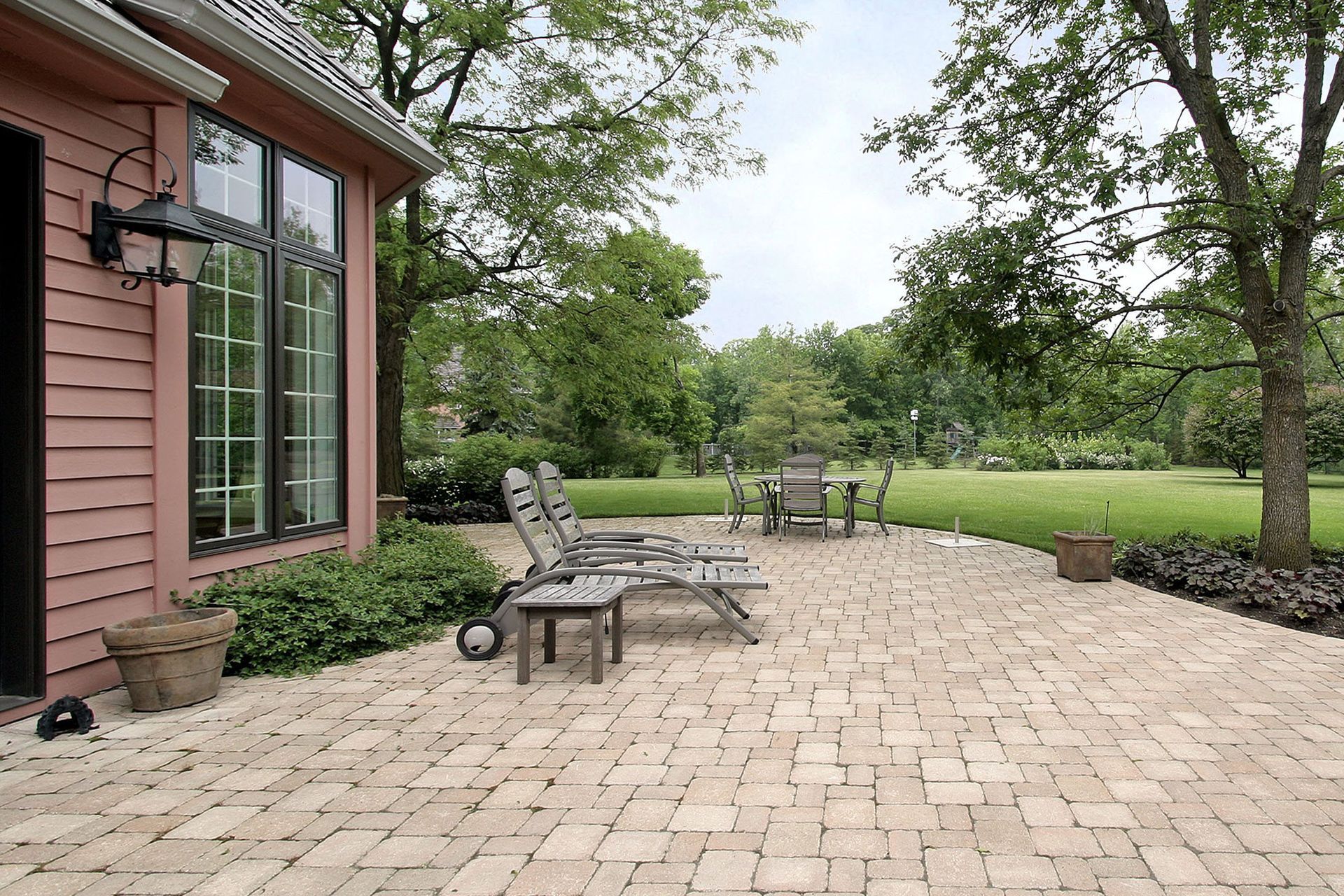
Achieving harmony with existing structures is fundamental to a successful patio installation. Continuity between the home's architecture and outdoor spaces enhances the overall aesthetic while increasing property cohesion. The material palette, color schemes, and textures of the patio should harmonize with those of the house to create a unified appearance. This approach helps the patio blend organically into its environment, rather than appearing as a disjointed addition.
Incorporating Landscaping Elements
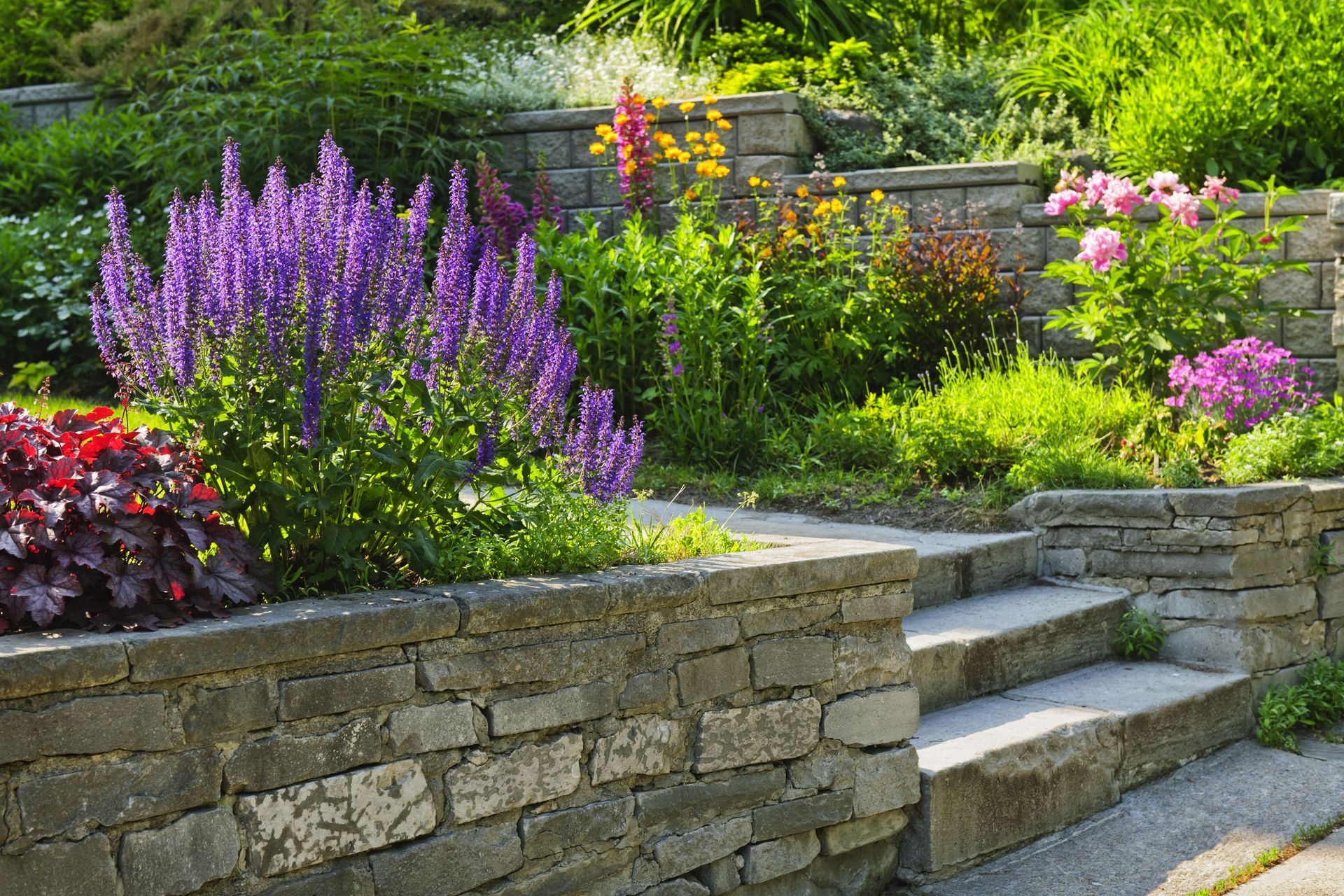
Landscaping elements enrich patio designs, contributing to both visual allure and ecological function. Thoughtfully integrated greenery, such as potted plants or adjacent garden beds, introduces texture and color to the space. Properly positioned foliage can provide privacy, shade, or act as a barrier against external noise. The interplay of hard surfaces and organic growth fosters a sense of tranquility and open-air luxury, bringing people closer to nature. Utilizing native plants ensures low-maintenance beauty and encourages local wildlife activity, transforming the patio into a lively, interactive space.
Foundation and Ground Preparation
Assessing Soil Stability and Drainage
Soil stability is a cornerstone of durable patio installations, setting the groundwork for structural integrity and longevity. Before construction, soil assessments ensure the location supports the intended load, especially in areas prone to erosion or shifting. Comprehensive soil testing needs to identify issues like compaction, drainage potential, or the presence of unsuitable soils, such as clay, which can expand and contract.
Drainage considerations are equally vital, mitigating water pooling and protecting against erosion. Systems such as French drains or channel drains steer rainfall away, preventing saturation and subsidence. The land's slope and layout impact drainage performance, typically requiring a slight pitch directed away from the home's foundation. Proper grading ensures that surface runoff moves efficiently across the patio without pooling or destabilizing the sub-base. Addressing both soil behavior and water movement prior to installation prevents costly settling, cracking, and structural failure down the line.
Excavation and Base Construction Techniques
Proper excavation creates the physical space required for a resilient patio foundation. The depth of excavation depends on the planned patio usage, climate, and soil type, but we've found that standard residential installations generally require digging down six to 10 inches. This depth accommodates layers of base aggregate and bedding material alongside the thickness of the chosen paver or stone. Removing organic topsoil, roots, and debris during this initial phase prevents future organic decay beneath the surface, which would otherwise create voids and cause uneven settling.
Once excavated, the sub-base must be built using dense, graded aggregate and compacted in thin, uniform lifts using a mechanical plate compactor. A properly compacted base distributes weight evenly and resists frost heave in colder climates. Precise work during base construction is crucial, as any imperfections in the sub-base will inevitably mirror through to the final surface.
Edge Restraints and Final Alignment
Edge restraints are essential for maintaining the structural perimeter of a patio, preventing lateral movement and edge spreading over time. Without proper edging, the outer pavers gradually shift outward under foot traffic and thermal expansion, causing gaps to open throughout the entire surface. Plastic, metal, or concrete edge restraints are secured directly into the compacted base along the outer parameters using heavy-duty spikes. For natural stone or mortar-set installations, a concrete shoulder along the border provides a rigid, hidden barrier that locks the perimeter securely in place.
With the base set and edge restraints installed, final alignment of the surface materials requires meticulous attention to detail. Pavers or stones are laid according to the planned pattern, utilizing string lines to ensure straight, consistent joint lines across the installation. Once all units are set, fine jointing sand or polymeric sand is swept into the gaps to interlock the individual pieces into a unified, flexible slab. Vibrating the surface with a padded plate compactor sets the pavers into the bedding sand and locks it in place, creating a level, stable, and durable patio ready for decades of use.
By integrating thoughtful material selection, purposeful design, and meticulous foundation preparation, you can create an outdoor living space that offers both immediate beauty and long-term performance. A well-executed patio installation is far more than a simple home improvement project; it's an investment in property value, architectural harmony, and daily lifestyle enhancement. Get started today by reaching out to the experts at Bryson Landscaping Inc!