By Chris Bryson
October 23, 2026
Retaining walls serve an important purpose in landscape design by helping manage elevation changes, control soil movement, and create more usable outdoor spaces. Whether installed to support a sloped yard, protect a garden, or create level ground for a patio, these structures require careful planning to perform reliably. Choosing the right materials, considering drainage, establishing a realistic budget, and understanding maintenance requirements can all influence a project's long-term success.
Before construction begins, property owners should understand the primary functions of these structures and the factors that determine their stability, appearance, and durability. With the right approach, a retaining wall can improve both the functionality and appearance of a property while helping protect the surrounding landscape.
What Is the Primary Purpose of a Retaining Wall?
The primary purpose of a retaining wall is to hold back soil and manage differences in ground elevation. Without adequate support, soil on a slope can shift downhill due to gravity, rainfall, erosion, or changing ground conditions. A properly designed structure helps resist this lateral pressure and maintain a more stable landscape.
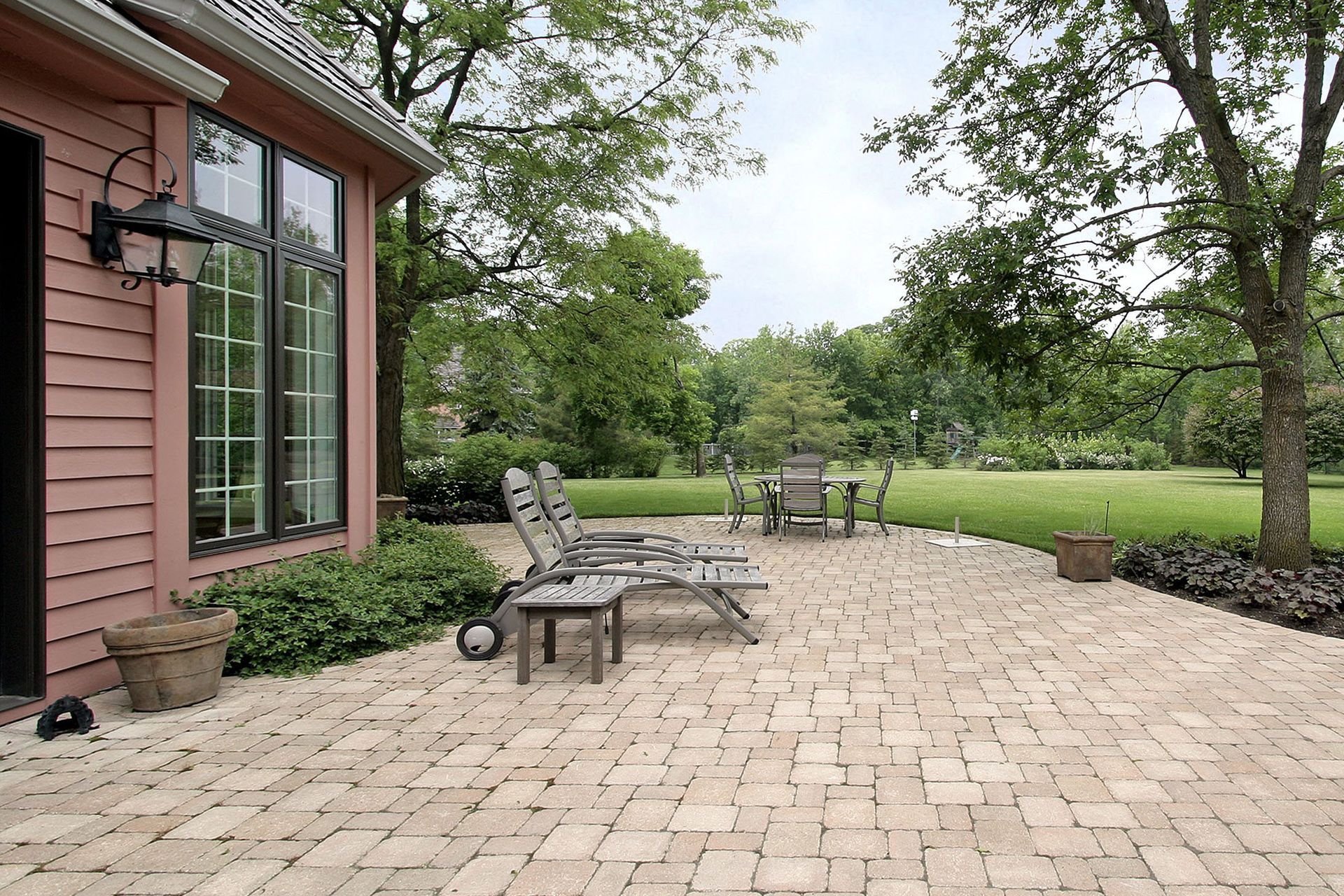
Retaining walls can also make sloped properties more practical. For example, a homeowner might use one to create a level lawn, establish garden beds, expand a driveway, or provide a suitable area for outdoor seating. In commercial settings, these structures may support parking areas, walkways, and landscaped sections surrounding buildings.
However, supporting soil involves more than simply stacking blocks or constructing a barrier. Soil pressure increases with the height of the retained material, and water buildup can add considerable force. According to This Old House, a wall measuring four feet high and 15 feet long can hold back as much as 20 tons of saturated soil. This illustrates why proper engineering, drainage, and construction techniques are essential, particularly when dealing with substantial elevation changes.
Which Materials Are Best for Building a Retaining Wall?
Selecting the right materials involves balancing durability, appearance, installation requirements, and budget. Different materials offer distinct advantages, so property owners should consider their project's structural needs and the surrounding landscape before making a decision.
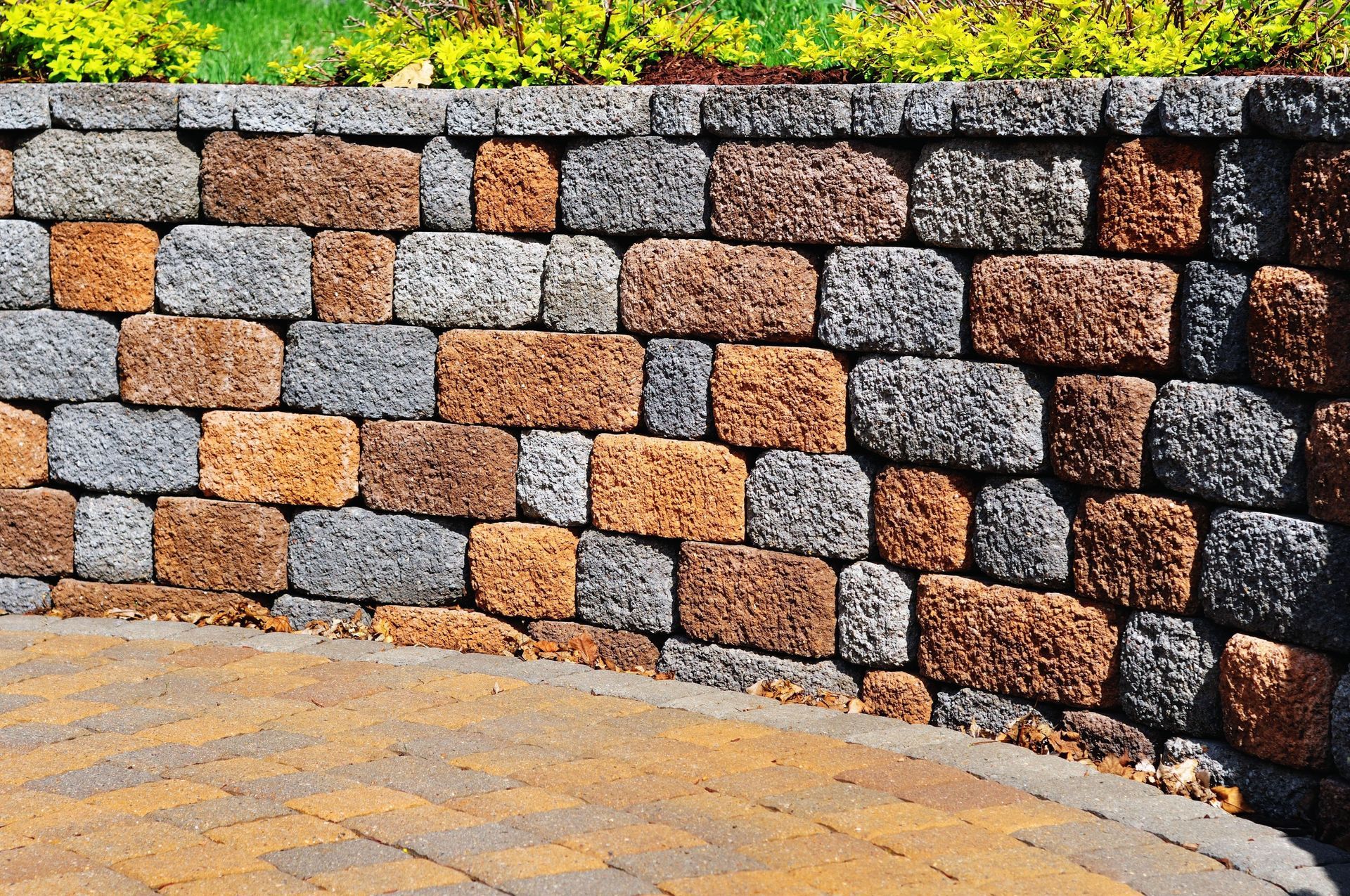
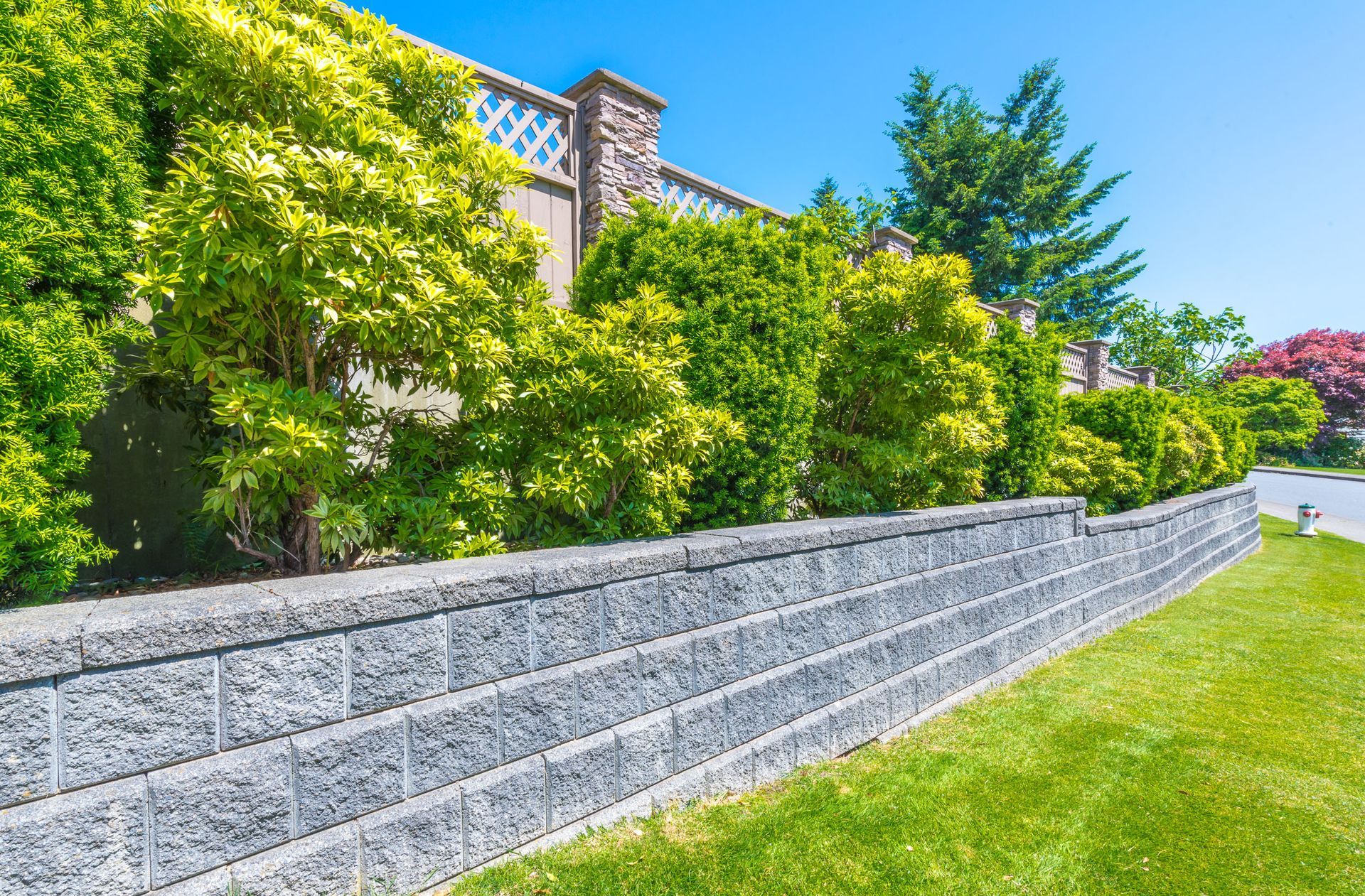
Concrete blocks are a popular option because they provide strength, come in various colors and textures, and can be arranged in straight or curved configurations. Interlocking blocks are particularly useful for certain smaller landscaping projects because their design simplifies installation. However, proper base preparation and drainage remain essential for long-term stability.
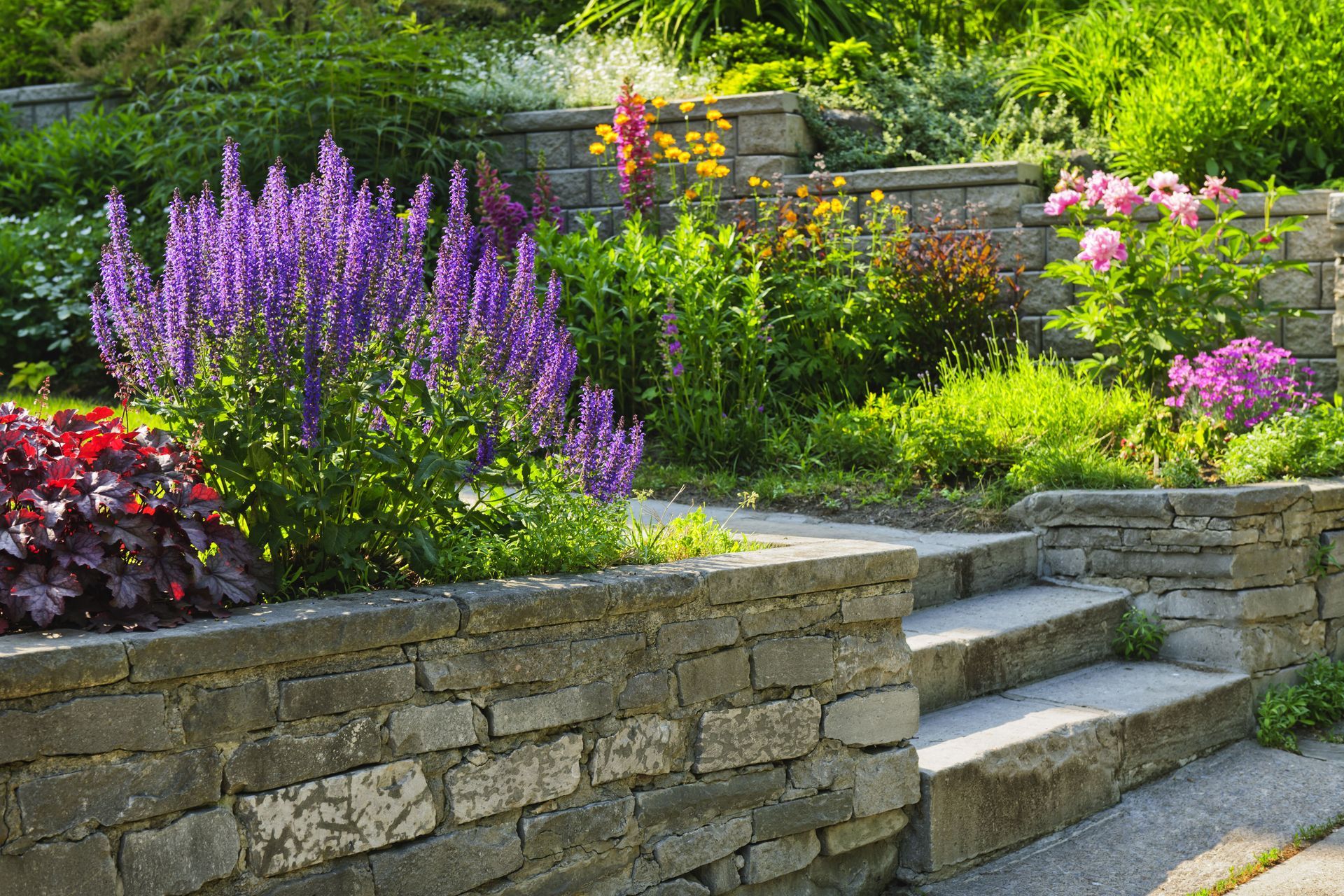
Natural stone offers a traditional appearance that complements gardens and established landscapes. Although stone can be exceptionally durable, construction may require specialized masonry skills, particularly when building mortared walls or working with irregularly shaped pieces. Brick is another option for homeowners seeking a classic appearance, although its suitability depends on the project's structural requirements.
According to This Old House, material selection affects construction costs, durability, and the overall appearance of retaining walls. Comparing these factors before purchasing supplies can help property owners make a practical long-term investment. The best choice ultimately depends on the wall's height, the amount of soil it must support, local weather conditions, and the desired landscape design.
What Are the Common Design Considerations?
Effective design begins with understanding the property itself. The slope, soil composition, drainage patterns, and surrounding structures all influence how a retaining wall should be constructed. Overlooking these factors can lead to shifting, cracking, or other structural problems.
Height is particularly important because taller walls generally experience greater lateral soil pressure and require more substantial structural support. Walls supporting driveways, buildings, or other heavy loads may also need additional reinforcement. Property owners should check local building codes and permitting requirements before beginning construction, as requirements vary by location and project conditions.
Drainage deserves equal attention. Water accumulating behind a wall increases pressure against its surface and can contribute to structural failure. Gravel backfill, suitable drainage pipes, and properly positioned outlets can help carry excess water away. The surrounding ground should also be graded to direct runoff away from vulnerable areas.
Soil type influences the design as well. Clay-heavy soil tends to retain moisture, while sandy soil generally drains more readily. The slope above the wall and nearby landscaping can further affect stability. In colder climates, freeze-thaw cycles may introduce additional challenges if water collects in the soil or construction materials.
How Much Does It Cost to Build a Retaining Wall?
The cost of building a retaining wall depends on several variables, including dimensions, materials, site accessibility, labor, and preparation requirements. A short timber structure on relatively level ground will generally involve different expenses than a tall stone wall supporting a steep hillside.
Material prices represent only part of the overall budget. Excavation, grading, foundation preparation, drainage components, reinforcement, and delivery fees can substantially affect the final total. Difficult terrain or restricted access may also increase labor requirements and equipment expenses.
Property owners should request itemized estimates when comparing contractors. These estimates should identify the proposed materials, excavation work, drainage provisions, reinforcement, and cleanup services. Comparing the full project scope provides a more useful picture than choosing a contractor based solely on the lowest initial price.
DIY construction may reduce labor expenses for smaller projects, particularly when using an appropriate interlocking block system. However, homeowners should realistically assess their skills, available equipment, and ability to move heavy materials. Incorrect installation can lead to repairs that outweigh the original savings.
Professional assistance is especially valuable when the structure will support substantial loads, involve challenging soil conditions, or exceed applicable height thresholds. Engineering assessments and permit fees may increase upfront expenses, but they can help identify potential problems before construction begins.
What Are the Maintenance Requirements for Retaining Walls?
Regular inspections help property owners identify developing problems before they become expensive repairs. Although maintenance requirements vary by material and design, checking the structure at least annually and after significant storms is a useful starting point.
Look for visible cracks, bulging, leaning, loose blocks, or deteriorating timber. Changes in the ground above or below the wall may also indicate erosion or settlement. These signs deserve particular attention when they develop suddenly or become progressively worse.
Drainage systems should remain clear and functional. Remove debris from visible outlets, inspect accessible drainage areas, and watch for persistent water accumulation near the base. Pooling water or unusually wet soil behind the structure may indicate that runoff is not being managed effectively.
Vegetation also requires attention. Remove unwanted growth from joints and monitor nearby trees or shrubs whose roots could affect the structure. Avoid placing heavy equipment, vehicles, or large piles of materials close to the upper edge unless the design accounts for those loads.
Maintenance methods should suit the construction material. Timber may need replacement when individual sections rot or deteriorate, while masonry may require attention to damaged joints or displaced units. Follow manufacturer recommendations for cleaning and protective treatments rather than applying sealants indiscriminately.
Building a successful
retaining wall requires more than choosing an attractive material and establishing a budget. Property owners must understand the structure's purpose, evaluate site conditions, plan effective drainage, and select materials suited to the demands of the landscape. Construction costs should account for preparation, reinforcement, labor, and potential complications, while ongoing inspections help preserve stability and appearance.
If you're looking for a beautiful and functional retaining wall, reach out to the dedicated team of professionals at Bryson Landscaping Inc today!