By Chris Bryson
October 7, 2026
A well-designed landscape does more than create an attractive first impression. It can improve how a property functions, make outdoor areas easier to use, and help protect the land itself. When changes in elevation create slopes or uneven areas, thoughtful landscaping can turn those challenges into opportunities for a more organized and usable yard.
Retaining walls are one way homeowners can reshape outdoor spaces while addressing practical concerns. Although these structures can add visual interest and definition to a landscape, their benefits can extend well beyond appearance. From managing soil movement to creating usable areas, a properly planned wall can become an important part of a property's overall landscape design.
Control Soil and Erosion
Sloped properties can be vulnerable to soil movement, particularly when rainwater flows down an incline. As water travels across exposed soil, it can gradually carry soil particles away and leave portions of the landscape uneven or depleted. This can make maintaining plants, grass, and other landscape features more difficult.
Retaining walls can help hold soil in place by creating a barrier between different elevations. Instead of allowing soil to move freely down a slope, a properly designed wall can provide structural support for the surrounding landscape. This can help create a more stable environment for landscaping and reduce concerns associated with ongoing erosion.
Managing erosion can also help protect other parts of the property. Soil that moves downhill can collect around walkways, patios, planting areas, or drainage features. By helping control where soil remains, a wall can contribute to a cleaner and more organized outdoor environment.
Create More Usable Space
A steep or uneven yard may contain areas that are difficult to walk across, landscape, or enjoy. Creating level sections can make a property feel more functional by transforming previously challenging portions of the landscape into spaces with a clear purpose.
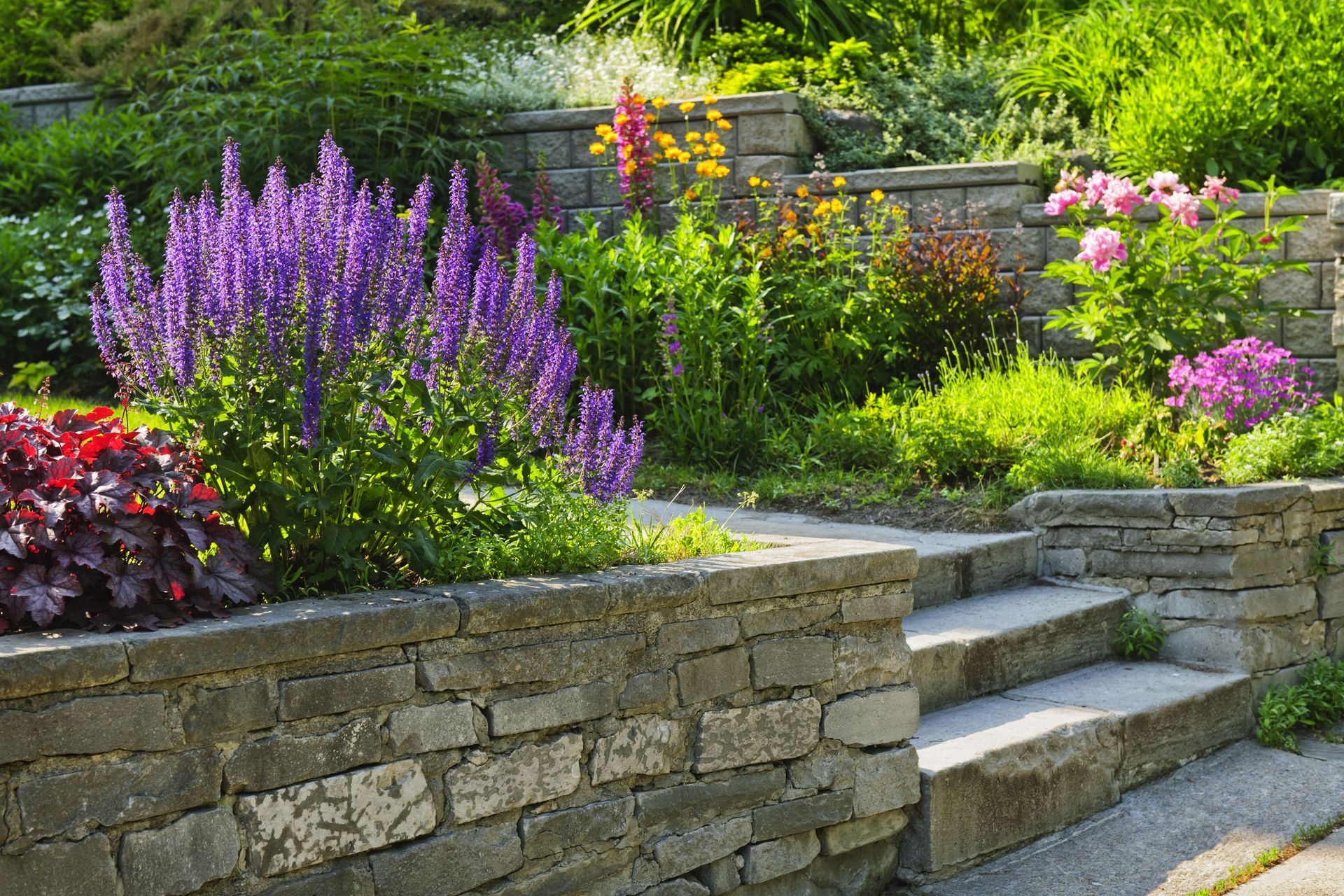
Retaining walls can help create terraces or other defined areas within a sloped yard. These sections may provide room for gardens, planting beds, seating areas, or other landscape features. Instead of working against the natural grade, homeowners can use the existing elevation changes as part of the overall design.
Additional usable space can also make outdoor areas feel more connected. A landscape can be arranged with transitions between different sections, giving each area a distinct function while maintaining a cohesive appearance. This approach can make a yard easier to navigate and more enjoyable to spend time in.
Creating level areas can be especially useful for properties where much of the yard has previously been difficult to access. A previously overlooked slope could become a planting area, gathering space, or attractive transition between different parts of the property. This can allow homeowners to make better use of land they already have rather than leaving challenging terrain undeveloped.
Improve Water Management
Water movement is an important consideration in landscape design. When rainwater travels quickly down a slope, it can contribute to erosion and may create problems around lower portions of the property. Thoughtful grading and drainage can help direct water where it can be managed more effectively.
Retaining walls can be incorporated into a broader drainage strategy. Depending on the property and wall design, drainage materials and other features can help manage water behind and around the structure. Proper planning is essential because a wall needs to account for the pressure that accumulated water can place on its structure.
Effective water management can benefit more than the wall itself. Directing runoff appropriately can help protect planting areas, pathways, structures, and other landscape elements. A landscape professional can evaluate the property's slope, soil, and drainage patterns to determine how these considerations should influence the design.
Define Landscape Areas
A landscape can sometimes feel visually disconnected when there are no clear transitions between different features. Walls can provide definition by separating planting areas, lawns, walkways, patios, and other outdoor spaces. This can create a more intentional appearance without requiring every area to look identical.
Retaining walls can also become architectural elements within a landscape. Their material, texture, shape, and placement can complement the style of a home and other exterior features. A thoughtfully designed wall can provide structure to a yard while contributing to its overall visual character.
Defined areas can make landscape maintenance easier as well. When planting beds and other features have clear boundaries, it can be easier to determine where grass ends, where plants belong, and where walkways begin. This organization can make the yard feel more polished while supporting practical maintenance needs.
A well-defined landscape can also improve the way outdoor spaces are experienced. Instead of having one large, undefined area, homeowners can create visual transitions that naturally guide movement through the yard. Different sections can have their own character while still contributing to a unified landscape design.
Support Long-Term Property Value
Landscape improvements can influence how a property is perceived. A yard that is organized, functional, and well-maintained can contribute to a strong overall impression. Structural improvements that address practical landscape concerns may provide benefits that extend beyond their immediate appearance.
According to HomeGuide, property appraisers estimate that well-designed walls constructed with quality materials can potentially provide returns ranging from 100% to 200%. While the value of any improvement depends on the property and local market, this illustrates why functional landscape construction can be considered more than a purely decorative investment.
Retaining walls may also help protect other landscape improvements by providing support for sloped areas and helping organize outdoor spaces. When a landscape is designed as an integrated system, individual features can contribute to the condition and usability of the property as a whole.
The value of a landscape improvement is not limited to what a future buyer may notice. Homeowners can benefit from having a yard that is easier to use, more organized, and better suited to their needs while they live there. Functional improvements can make outdoor areas more enjoyable on an everyday basis.
Choose Materials and Design Carefully
The success of a wall depends heavily on planning, construction, materials, and the conditions of the property. Soil type, slope, drainage, available space, and the intended purpose of the structure all deserve consideration before construction begins. A design that looks attractive but does not account for these factors may create problems later.
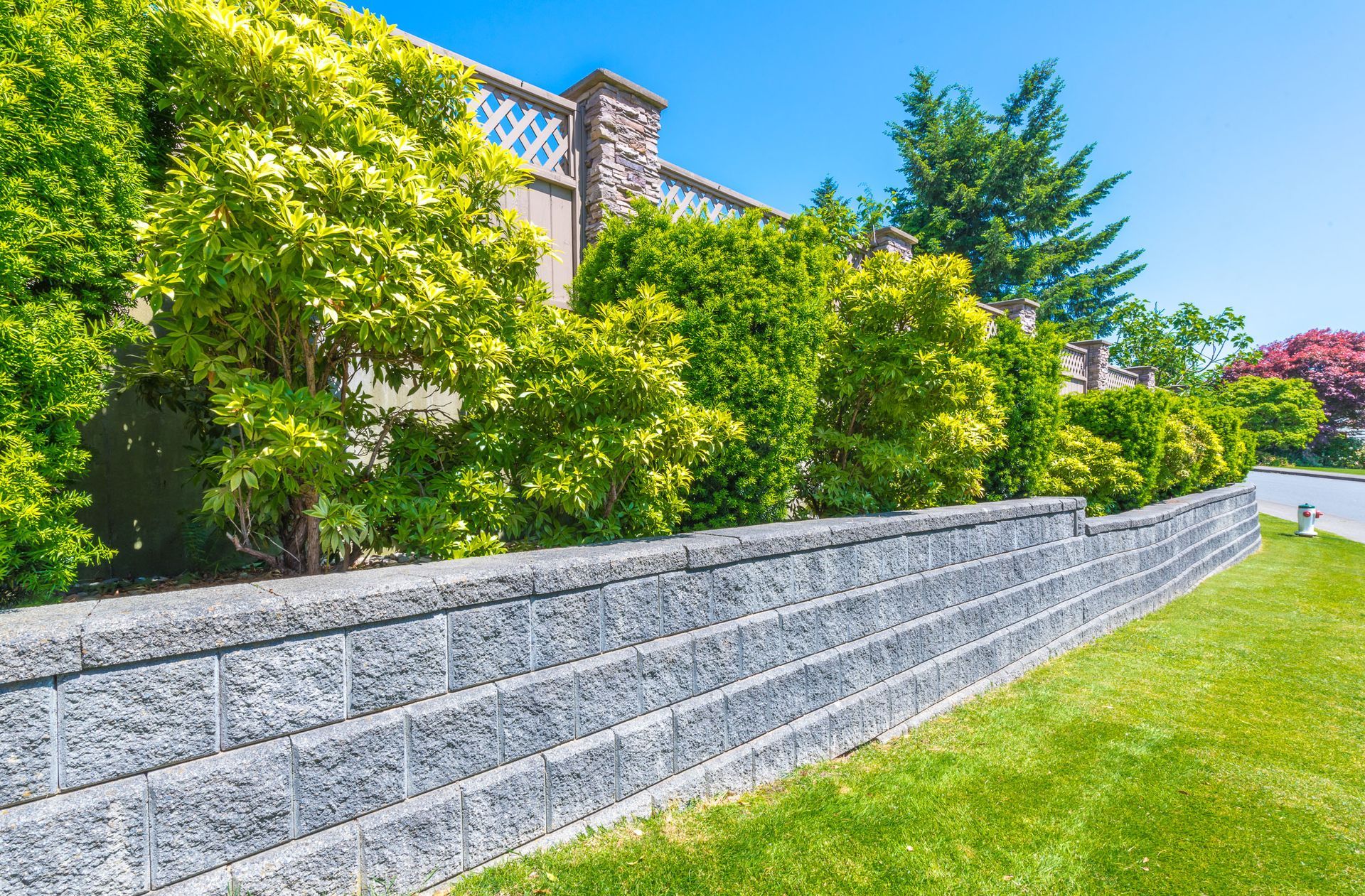
Retaining walls are available in a range of materials and styles, allowing homeowners to coordinate them with the surrounding landscape. Natural stone, concrete products, and other materials can produce different textures and visual effects. The right selection should balance appearance with the structural requirements of the project.
Professional planning can also help determine how a wall should interact with nearby features. Trees, planting beds, walkways, drainage systems, and structures may all influence placement and design.
Maintenance considerations should also be part of the planning process. The surrounding landscape should remain accessible for routine care, and drainage should continue functioning as intended. Choosing appropriate materials and designing the wall for its specific setting can help support its appearance and performance over time.
Ultimately, the greatest benefit of a landscape wall is its ability to combine form and function. It can add definition and visual interest while helping address soil movement, elevation changes, drainage, and space limitations.
If your property has slopes, erosion concerns, or unused outdoor areas, now is the time to explore what a thoughtful landscape design can accomplish. Contact Bryson Landscaping Inc to discuss your property and create a landscape solution that improves both its appearance and its function.